By FBR Digital Invoicing Team
E-Invoicing in Pakistan: Simplify Your Digital Invoicing Process
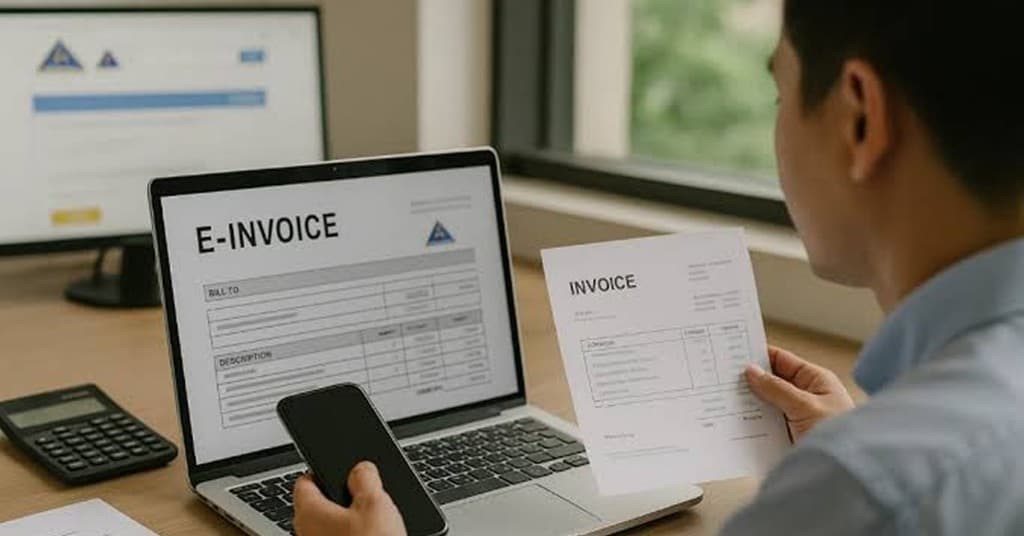
E-Invoicing helps businesses move from manual paperwork to a faster and more organized digital invoicing workflow. Instead of managing invoices through paper files or separate documents, businesses can create, manage, share, and maintain invoice records electronically.
As businesses handle more transactions, digital invoicing can make everyday invoice management easier while reducing repetitive manual work. In this guide, learn how e-invoicing works in Pakistan, its key benefits, and how a structured digital invoicing system can help businesses manage their invoicing workflow more efficiently.
What Is E-Invoicing?
E-Invoicing is the process of creating and managing invoices electronically instead of relying on traditional paper-based methods.
A digital invoice can contain important transaction information such as:
- Seller information
- Buyer information
- Invoice number
- Invoice date
- Product or service details
- Quantity and price
- Applicable tax information
- Total invoice amount
Digital records make it easier to organize and access invoice information when needed.
How Does E-Invoicing Work?
A typical e-invoicing workflow involves a few simple steps:
1. Enter Transaction Details
Add the required seller, buyer, product or service, pricing, and tax information.
2. Review the Invoice
Check the invoice details to make sure the information is accurate and complete.
3. Generate the Digital Invoice
Create the invoice electronically through your invoicing system.
4. Share and Maintain the Record
Share the invoice with the relevant customer and keep the digital record for future reference.
Where applicable, businesses can also manage the relevant FBR submission process through an FBR-connected invoicing workflow.
Common E-Invoicing Challenges
Businesses moving away from manual invoicing may face challenges such as:
- Disorganized invoice records
- Repetitive data entry
- Manual calculation errors
- Duplicate invoice numbers
- Missing customer information
- Difficulty tracking invoice activity
Using a structured digital invoicing system can help address these issues.
How Invoice FBR Helps With E-Invoicing
Invoice FBR helps businesses manage their digital invoicing workflow from one centralized platform.
Businesses can use Invoice FBR to:
- Create digital invoices
- Manage customers and suppliers
- Maintain product information
- Manage HS Codes and UOMs
- Calculate applicable taxes
- Track invoice statuses
- Maintain digital invoice records
- Manage business information
This helps businesses reduce manual work and keep their invoicing process more organized.
Frequently Asked Questions
Conclusion
E-Invoicing provides businesses with a faster and more organized way to manage everyday invoicing activities.
By moving away from paper-based processes and using a structured digital workflow, businesses can simplify invoice creation, reduce repetitive work, improve record keeping, and manage their transaction information more efficiently.
For Pakistani businesses, an FBR-focused digital invoicing solution can also help organize invoicing activities alongside applicable FBR requirements.